I have a background in Mechanical Engineering with a strong focus on design and real-life mechanical simulations.
Over time, I realized the potential of forward integrating my expertise with the transformative power of machine learning and artificial intelligence.
This drive to expand my horizons brought me to Carnegie Mellon University, the very hub and founding ground of AI, where I pursued a Master’s degree to deepen my knowledge and skills in ML and AI.
CMU offered the perfect environment to bridge my technical foundation with cutting-edge advancements in AI, enabling me to tackle complex problems with a blend of engineering precision and data-driven innovation.
This journey has been about building on my strengths while embracing new tools to push the boundaries of what’s possible.
Most of my days are spent diving deep into the world of numbers, models, and code. Whether I'm tinkering with a neural network, optimizing simulations for funky-shaped domains, or making sense of messy data, I live for those "Eureka!" moments.
My skills include machine learning wizardry, data visualization magic, and turning impossible problems into curious puzzles.
I’ve been known to wrangle datasets into submission, breathe life into simulations with OpenFOAM, and even dabble in Fourier neural operators for some PDE-solving adventures.
From crafting clever and robust pipelines to developing physics informed diffusion models, I enjoy seeing projects come full circle—from messy inputs to "Wow, that’s useful!" outputs.
Throw in a mix of creativity, curiosity, and a sprinkle of fun, and you’ve got my work style down. Bonus: I don’t just find solutions;
I make sure they look good while solving business or research challenges!
Before immersing myself in the world of academia and deep learning, I had the honor of representing my country as an international swimmer.
Competing on global stages in places like Singapore, Dubai, Thailand, and Australia, I brought home several medals and accolades.
I’m also proud to be a five-time national-level swimmer—a journey that not only tested my endurance but also shaped who I am today.
Swimming at such a high level instilled in me the discipline to see every challenge through to the end, no matter how tough the journey.
It taught me the value of persistence, resilience, and the eagerness to continuously learn and grow. These lessons have seamlessly carried over to my professional life.
Whether it’s a tough project or a steep learning curve, I approach it with the same determination I had in the pool—focused, committed, and ready to dive in headfirst.
You can check out some of my projects and articles below, complete with links to their GitHub repositories. Feel free to download the code, tinker with it, and maybe even uncover a bug or two I missed!
While pursuing my Master’s degree at Carnegie Mellon University, I couldn’t resist supplementing my coursework with a little extra learning on the side.
From e-books and online courses on edX and Coursera to spending way too much time solving challenges on HackerRank and FreeCodeCamp, I’ve embraced every opportunity to dive deeper into the world of machine learning and AI.
This mix of classroom rigor and online exploration keeps my curiosity alive and helps me inch closer to becoming excellent in the field.
Shoutout to all the online educators and platforms out there for making learning so accessible—you’ve fueled my thirst for knowledge and made it all the more fun!
I specialize in delivering impactful solutions at the intersection of data science and deep learning. Leveraging tools like Python, SQL, Power BI, TensorFlow, and PyTorch, I craft intelligent systems that optimize processes, uncover insights, and transform complex data into actionable outcomes.
Build and deploy cutting-edge deep learning models for tasks like image processing, object detection, and generative AI. Expertise in frameworks like TensorFlow and PyTorch enables me to create systems with state-of-the-art accuracy and efficiency.

Develop advanced image processing algorithms to analyze and interpret visual data. From TEM image classification to enhancing image clarity, I combine domain knowledge with AI techniques to solve real-world challenges.
Harness the power of data science by building predictive models, analyzing trends, and driving data-driven decisions. Proficient in statistical analysis, machine learning, and data manipulation with tools like Pandas, NumPy, and Scikit-learn.
Transform complex datasets into compelling visualizations using tools like Power BI, Tableau, and Matplotlib. Design interactive dashboards that enable stakeholders to understand trends, patterns, and actionable insights.
Design intelligent systems for tasks like solar power forecasting, real-time object detection, and material characterization. Combine machine learning pipelines and ensemble methods to enhance performance and scalability.

Collaborate effectively with interdisciplinary teams to integrate AI and data science solutions into business workflows. Skilled in explaining technical concepts to diverse audiences and aligning solutions with organizational goals.
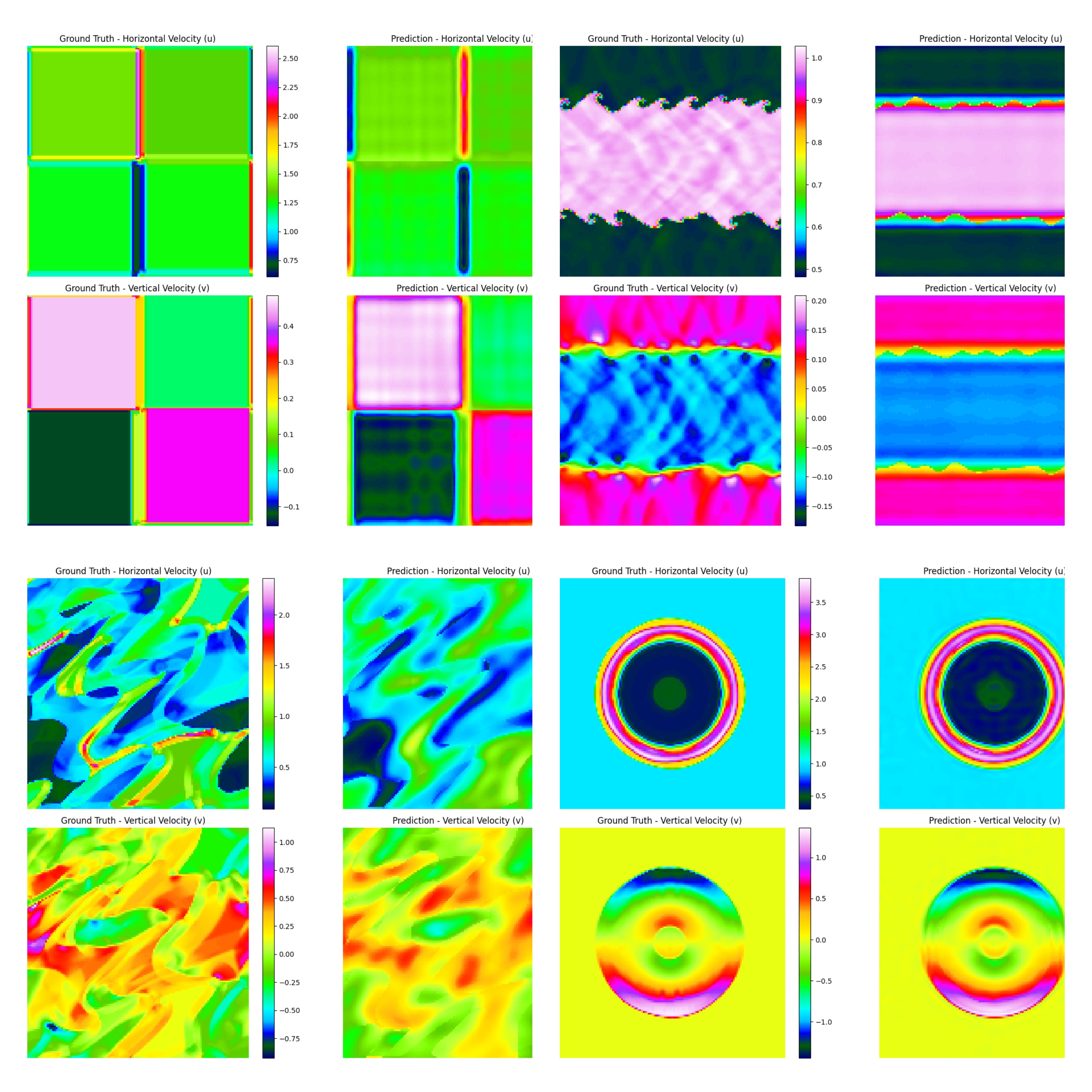
Did you know that everything around us—every natural phenomenon, engineering marvel, or scientific breakthrough—can be elegantly described through mathematical equations?
These equations, often in the form of partial differential equations (PDEs), govern the behavior of physical fields and systems, shaping our understanding of the universe.
In this project, I have developed a deep learning model designed to learn and generalize these PDEs.
By mastering the equations that describe essential physical phenomena in engineering, the natural sciences, and our environment, the model can predict how these systems will evolve, offering insights into future states and enabling accurate timestep forecasting.
This work bridges the gap between theoretical mathematics and real-world application, empowering us to anticipate and shape the world around us.
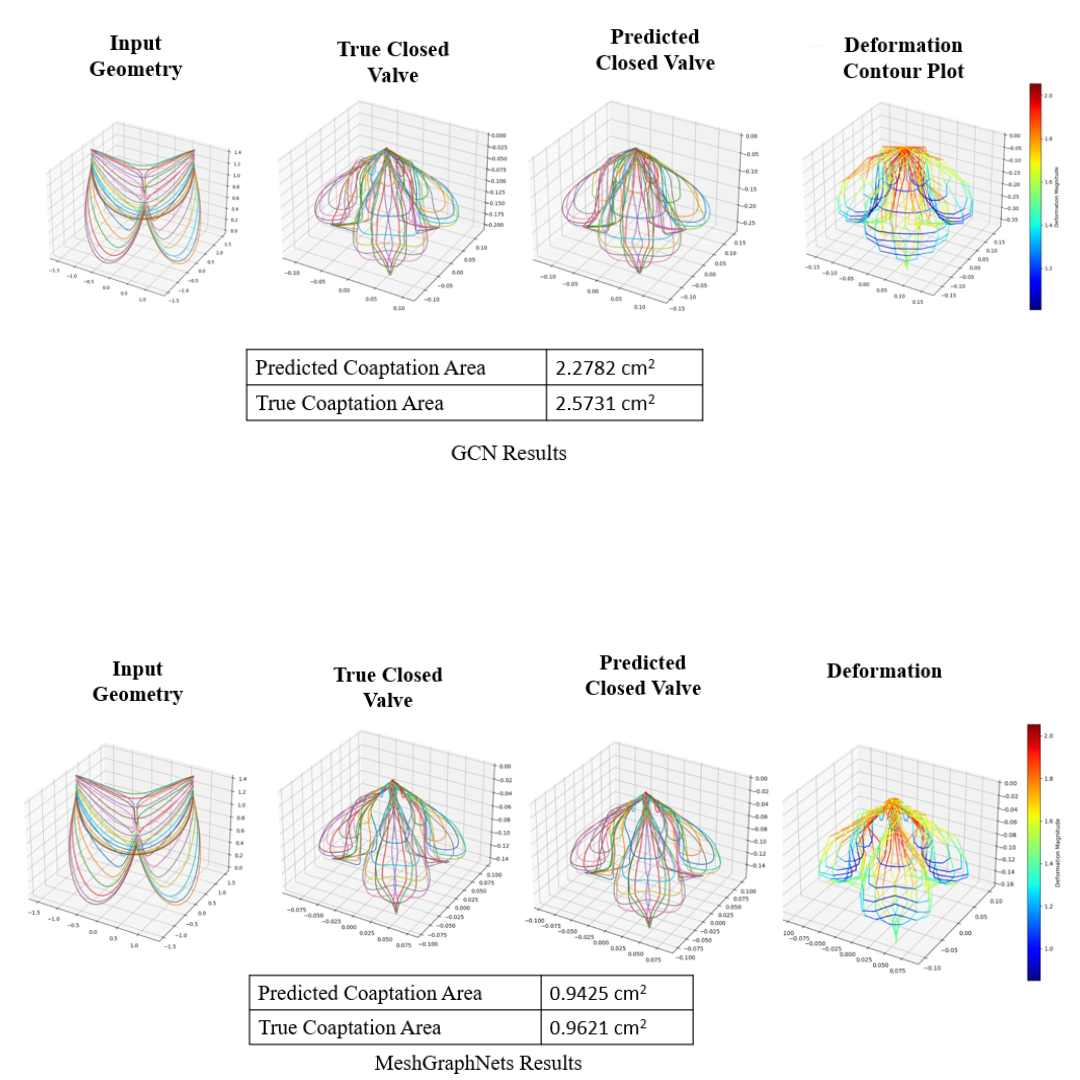
Did you know that the design and simulation of heart valves—a critical component in life-saving surgeries—can take an immense amount of time using traditional methods?
With cardiac issues on the rise and a 1.5% annual increase in patients requiring heart valve replacements worldwide, the need for faster and more efficient solutions has never been greater.
To address this challenge, I developed a deep learning algorithm that accelerates the heart valve design process by nearly 200%.
This advanced approach not only reduces the time required but also provides surgeons with critical, patient-specific insights, helping them determine the most suitable valve for each individual.
By merging AI with healthcare innovation, this project has the potential to revolutionize cardiac care and save countless lives.
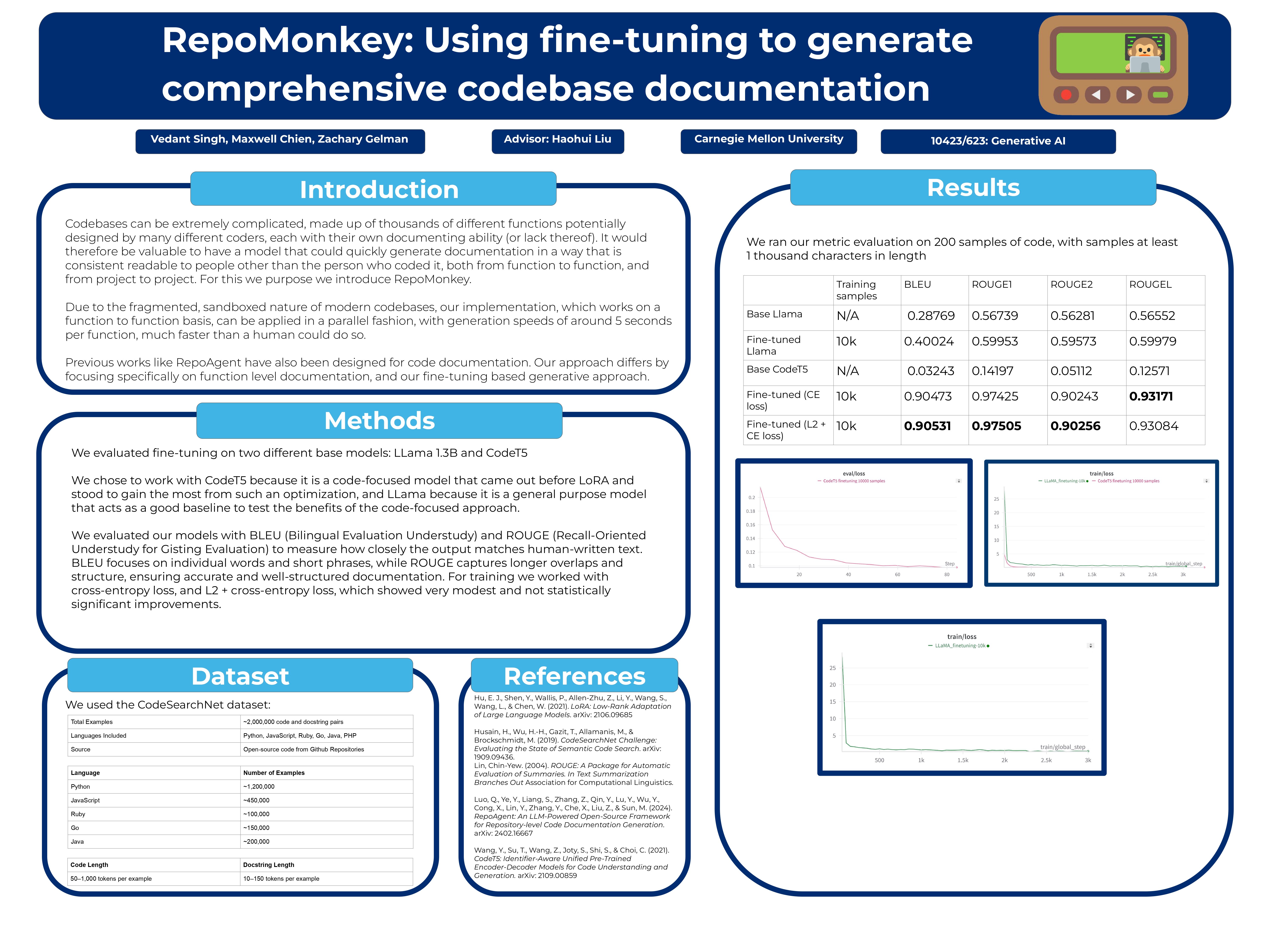
Have you ever struggled with understanding a poorly documented codebase? For large corporations, onboarding new developers and debugging code written by others can be a daunting challenge—turning into a nightmare when the code lacks proper documentation.
To solve this widespread problem, I created RepoMonkey, an innovative tool designed to transform codebases into detailed, descriptive documents.
RepoMonkey automates the documentation process, capturing essential insights such as function dependencies, class inheritance structures, and detailed information about each function.
This tool empowers developers by eliminating the guesswork, reducing onboarding time, and streamlining debugging processes.
RepoMonkey ensures that teams can focus on innovation rather than deciphering undocumented code, making it an invaluable asset for organizations managing complex and ever-evolving software projects.
By bridging the gap between developers and code clarity, RepoMonkey is set to redefine how companies handle their codebases.
Skills demonstrated: Python, EDA, data collection, data wrangling, data visualization
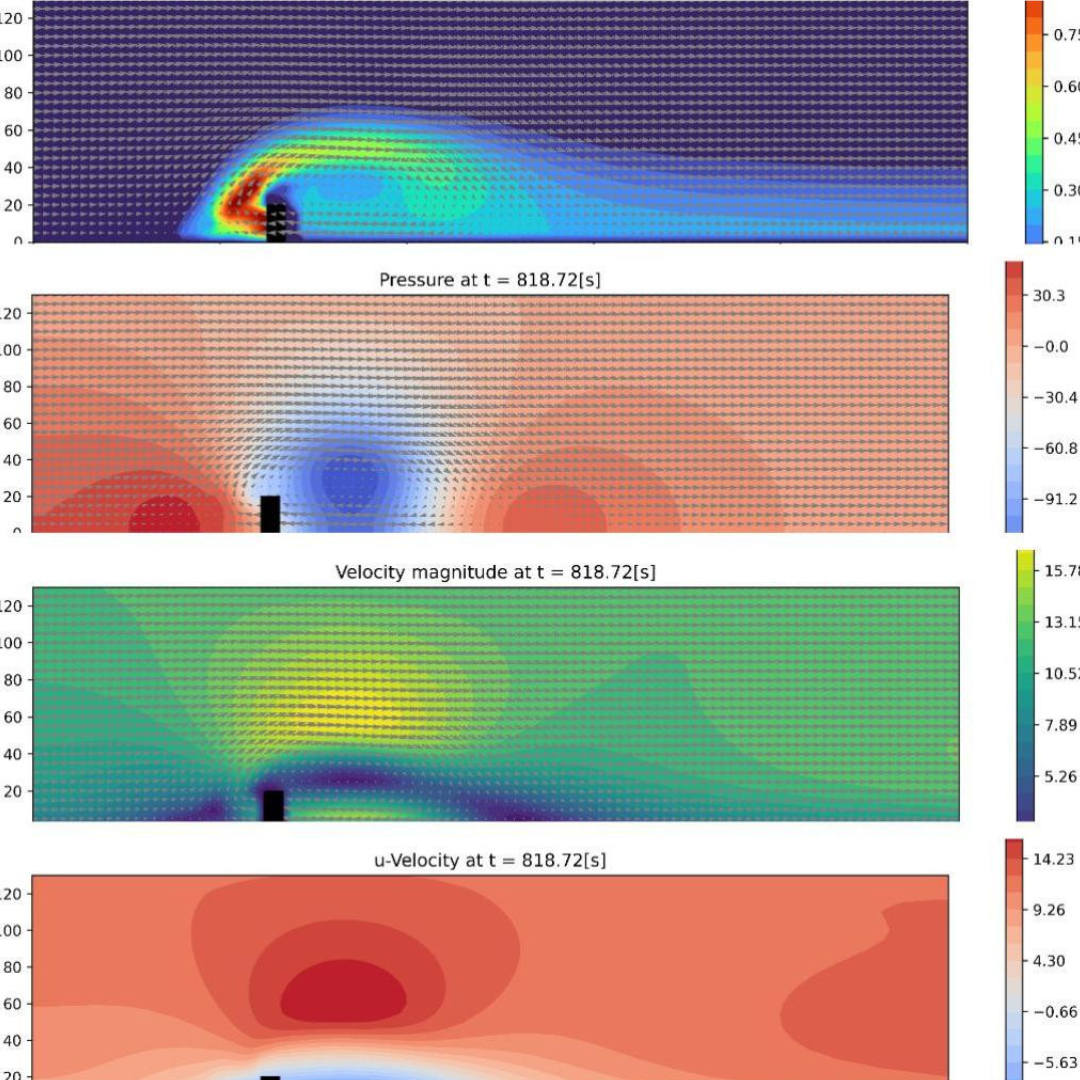
Did you know that building design can significantly impact our ability to reduce atmospheric CO₂?
Decarbonization buildings are designed to intake air, extract carbon dioxide, and expel carbon-depleted air.
However, their efficiency is often hindered by re-entrainment, where expelled air is drawn back into the intake, reducing CO₂ capture.
To address this, we developed a Computational Fluid Dynamics (CFD) framework to optimize building designs by analyzing airflow patterns and geometry.
Our simulations reveal that taller, narrower configurations reduce re-entrainment to as low as 7.03%, compared to over 11% in wider designs, by minimizing turbulence and recirculation zones.
This project offers a streamlined approach to designing decarbonization buildings that maximize efficiency, maintain air purity, and provide practical solutions for combating climate change
Skills demonstrated: Python, ML algorithms, EDA, data visualization
Publication: The Startup
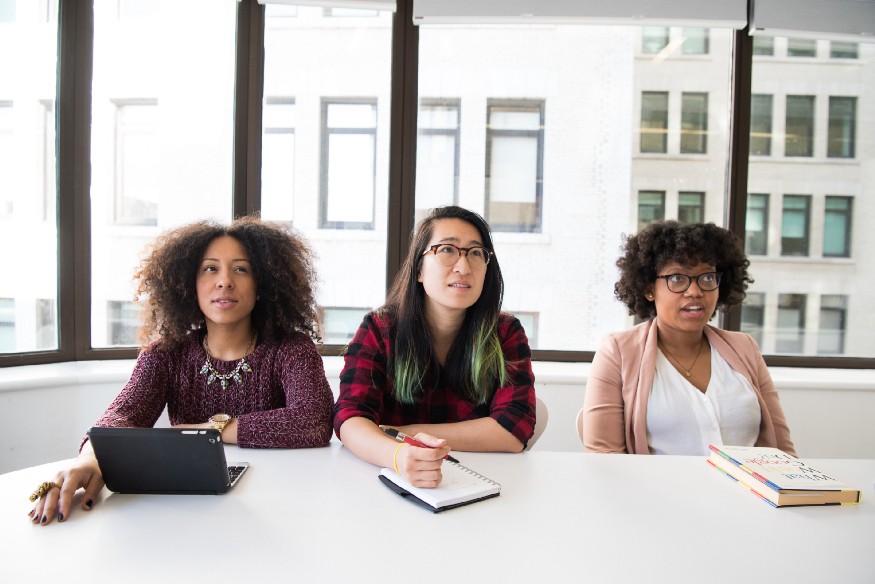
In this article, I write about the lack of female representation in technology. In my opinion, girls aren’t
naturally less inclined to pursue careers in STEM. Rather, they have been conditioned from a young age to stay away from
the field.
I provide insight on the measures that we as a community can take
to ensure that more women develop an interest in tech-related fields.
Publication: Towards Data Science
Most applications of data science today revolve around maximizing profit for large companies.
However, data science can be used for so much more than just increasing revenue.
In this article, I explain the different ways data can be used for social good.
Publication: Towards Data Science

Data can be used to lie. Statistics can be used to exaggerate, blow incidents out of proportion, and push political agendas.
In the world we live in today, the consequences of misusing statistics can be disastrous. Misinformation can spread like
wildfire on the Internet, with claims that they are backed up by scientific proof.
In this article, I explain the different ways statistics can be misused. I provide case
studies on how data has been used to mislead people in the past.
The aim of this article is to inform readers about the dangers
of believing a statistic without doing proper research.

In the first coding class I took in my life, my lecturer told me that “some people just weren’t cut out for programming.”
I believed her and stopped trying to learn how to code.
I thought that there were two types of people in the world – those who were cut out for programming (the geniuses), and those who weren’t.
It was only after spending around 8 hours a day programming for a few months that I realized my lecturer was wrong. I also realized that there were a lot of people just like me, who gave up on learning to code simply because they thought they weren’t cut out for it.
I wrote this article to clear any misconceptions people might have about learning how to code. The best programmers I know aren’t geniuses or straight A students. They possess a set of traits that can be built along the way, which I highlight in this article.

.jpg)